Zifzif
Zain Al-Sharaf Wahbeh is a London-based Palestinian Architect and multidisciplinary researcher. She completed her architectural studies at the University of Edinburgh, the Royal College of Art, and the Architectural Association. She confronts the erasures of her Palestinian hometown in Yafa through archival and documentary practices.
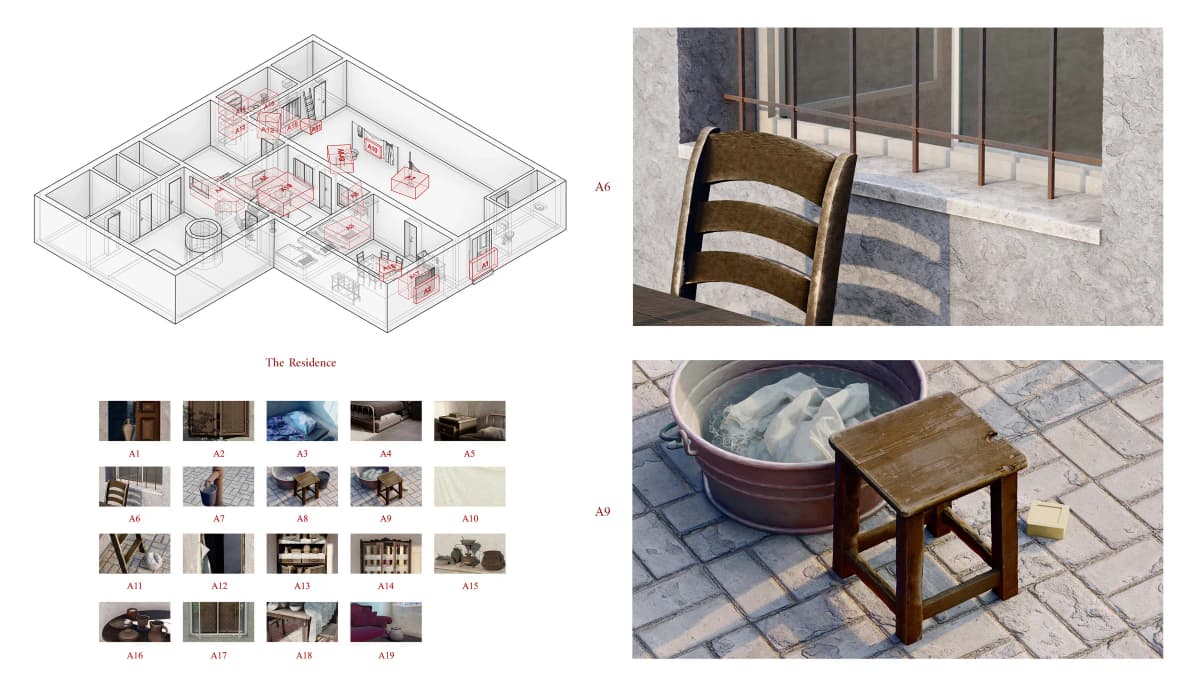
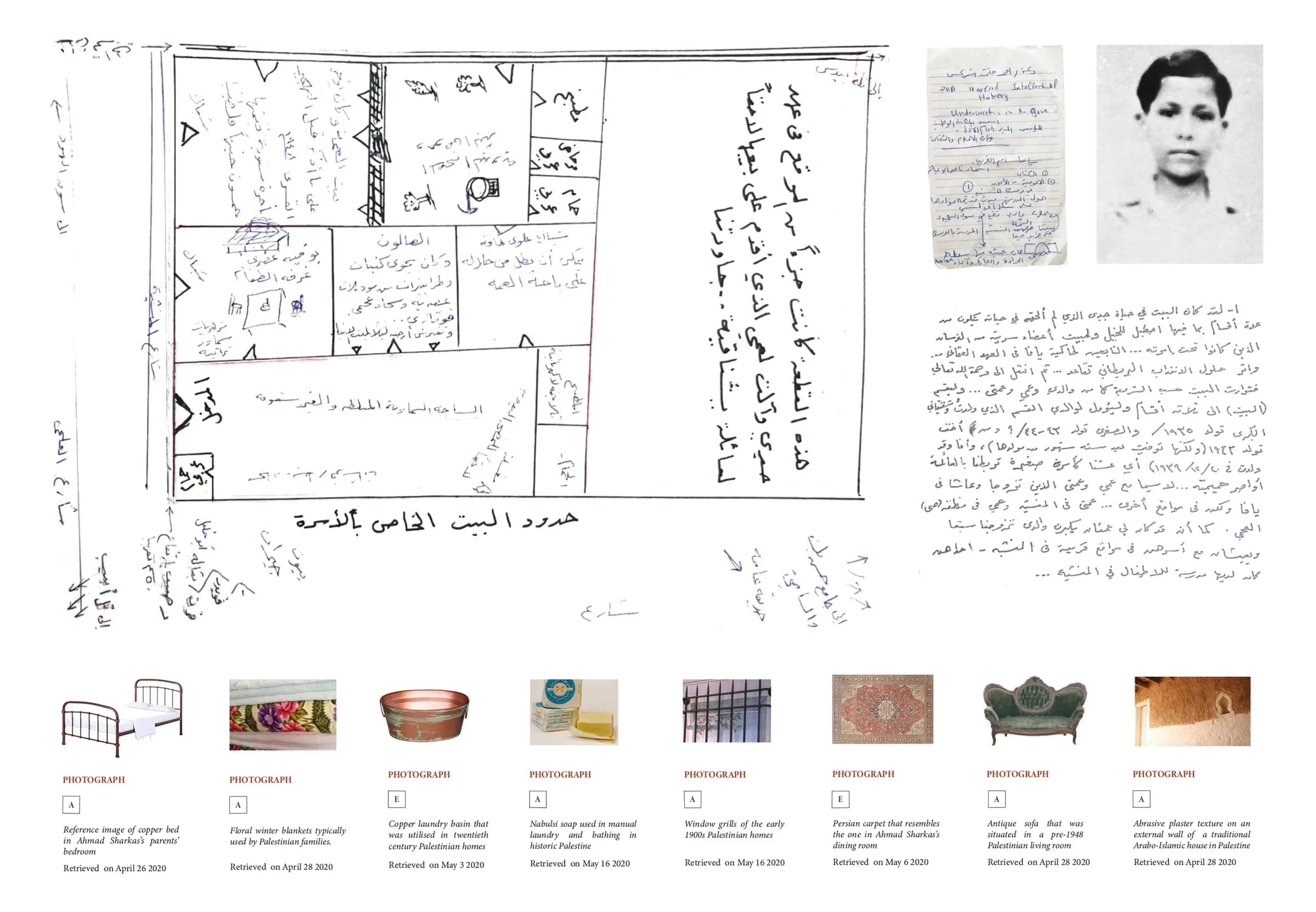
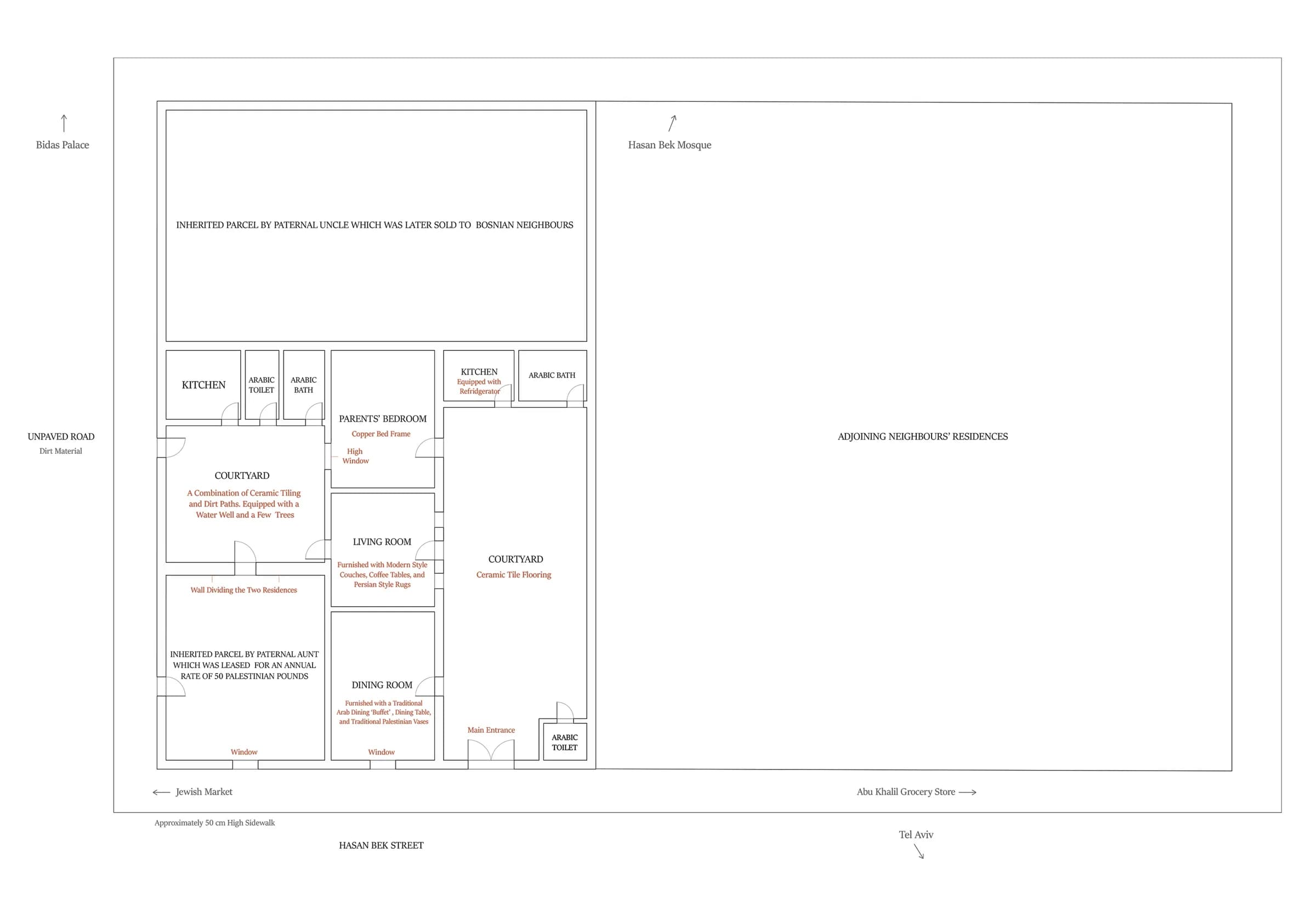
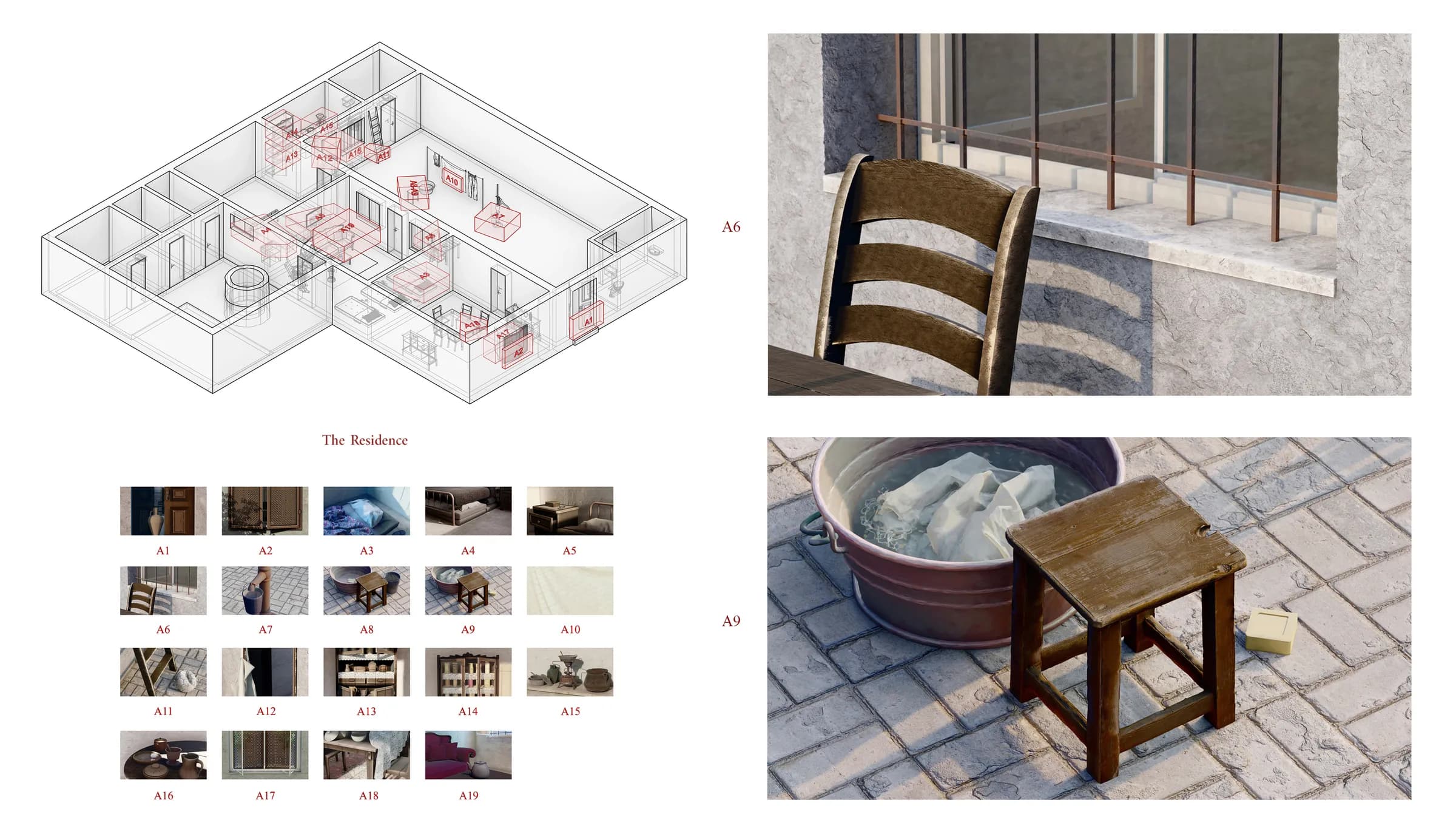
This is a small excerpt from a longer archival interview with Dr. Ahmed Sharkas - a Palestinian architect and elder born in the Al-Manshiyya neighbourhood in the city of Yafa, Palestine, displaced from his home in 1948 still carrying the hope to return.
Transcript
The walls of my house were built with a combination of cement and sand from the seashore, which was also known as “zifzif”. The government prohibited shovelling it in large quantities for construction, due to its detrimental impacts on the beach.
Contractors supplied builders with this sand, which they mixed with cement and small stones to construct the house. The house was relatively sturdy, suitable, and protected its inhabitants. The wood was painted with what was called “boyah” (paint), while the walls of the house were rolled repeatedly with a material known as ‘sheed’, mixed with certain pigments.
As I recall, they used to make burlap rolls and run them along the walls in a rolling, spiral motion. This would leave a distinctive pattern on the walls. This was the primary method used to coat walls. As for the doors, they were painted using the standard brush that is still used today.
The house was tiled, and tiles were not common in houses as they were expensive. Most houses contained cement flooring, including bedrooms and guest rooms.